The Competition team at Arnold Bloch Leibler plays a critical role in advising clients on the complexities of competition and consumer law. With expertise spanning regulatory advice, disputes, and merger clearances, the team collaborates closely with other practice groups to deliver comprehensive and strategic solutions.
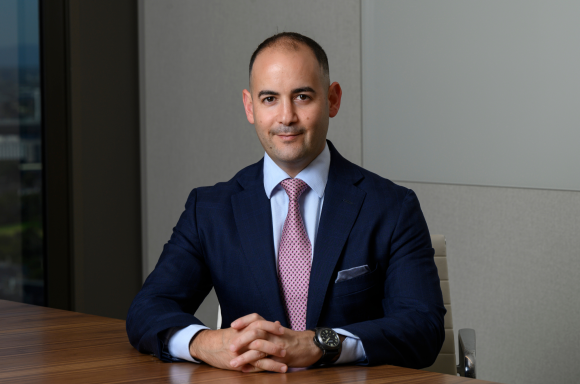
In this Q&A, partner Zaven Mardirossian and lawyer Michael Riordan share their perspectives on the dynamic nature of competition law, the collaborative culture at ABL, and the invaluable opportunities for junior lawyers to develop a broad skill set through interdisciplinary work. Their insights highlight the team’s commitment to excellence and its role in navigating some of the most challenging legal landscapes.
What does competition law involve, and how does it differ from other areas of legal practice?
Zaven: Competition law is about ensuring fair market practices and addressing issues like anti-competitive behaviour, misuse of market power, and cartel conduct. It’s highly dynamic and involves significant interaction with regulatory bodies like the ACCC. The nature of the work is a mix of advisory, transactional, and dispute resolution, which makes it distinct from other practice areas. One day we might be advising on a merger clearance, and the next we’re assisting clients with investigations or litigation arising from alleged competition breaches.
Michael: What sets competition law apart is the strategic layer. It’s not just about applying the law but understanding how markets function and predicting how regulators or courts might view certain behaviours. It’s a constantly evolving field, and that keeps it exciting.
Collaboration seems to be a recurring theme in your work. How does that play out within the firm?
Zaven: Collaboration is at the heart of what we do. Competition matters often intersect with other practice areas, such as M&A, Tax, or Litigation. This overlap means we frequently work with other teams to provide comprehensive advice to clients. For junior lawyers, it’s a great opportunity to learn not just about competition law but also how other areas of law interact with it. They also gain exposure to different strategic approaches and working styles, which is invaluable for their development.
Michael: One of the benefits of ABL’s structure is that we work in small, agile teams, which facilitates collaboration. Whether it’s preparing a submission to the ACCC or advising on a merger, we’re often engaging with partners and lawyers across multiple departments. This interdisciplinary approach ensures that our clients receive the best possible advice.
" One of the benefits of ABL’s structure is that we work in small, agile teams, which facilitates collaboration."
What skills are most important for someone working in competition law?
Zaven: Communication skills are key. Whether we’re liaising with regulators, clients, or colleagues from other teams, being able to clearly articulate complex ideas is critical. It’s also important to be proactive and willing to dive into unfamiliar territory—competition law often involves unique and unexpected challenges.
Michael: Strong analytical skills are essential, given the complexity of the cases we handle. You also need to be adaptable and able to think strategically. A lot of our work involves interpreting economic principles and applying them to legal issues, so an interest in how markets operate is definitely helpful.
Zaven, as a partner, how do you support junior lawyers in developing their skills and confidence?
Zaven: I make it a point to involve junior lawyers in as many aspects of a matter as possible, from drafting and research to client meetings and strategy discussions. I believe the best learning happens on the job, and I encourage juniors to ask questions and take ownership of their work. I also ensure there’s constant feedback. Constructive feedback is crucial for growth.
Explore our Competition expertise or learn more about legal careers at Arnold Bloch Leibler.
Quick fire questions
What's the most rewarding part of being a competition lawyer?
Zaven: Helping clients navigate complex regulatory environments and achieve their business goals.
Michael: Seeing the tangible impact of our advice on major transactions or regulatory outcomes.
What’s your proudest achievement or best result for a client?
Zaven: Building strong, long-term client relationships and mentoring the next generation of lawyers.
Michael: Assisting on securing a great outcome for the client in a high-stakes class action.
What advice would you give to your younger self?
Zaven: Don’t be afraid to take on challenges that push you outside your comfort zone.
Michael: Be open to learning from everyone around you, it’s the fastest way to grow.