Arnold Bloch Leibler's Commercial team is known for its wide-ranging expertise, advising on matters such as mergers and acquisitions, capital markets, private client transactions, and not-for-profit advisory work. The team brings together skilled lawyers who collaborate across practice areas to deliver tailored solutions for clients, including public and private corporations, high-net-worth individuals, and philanthropic organisations.
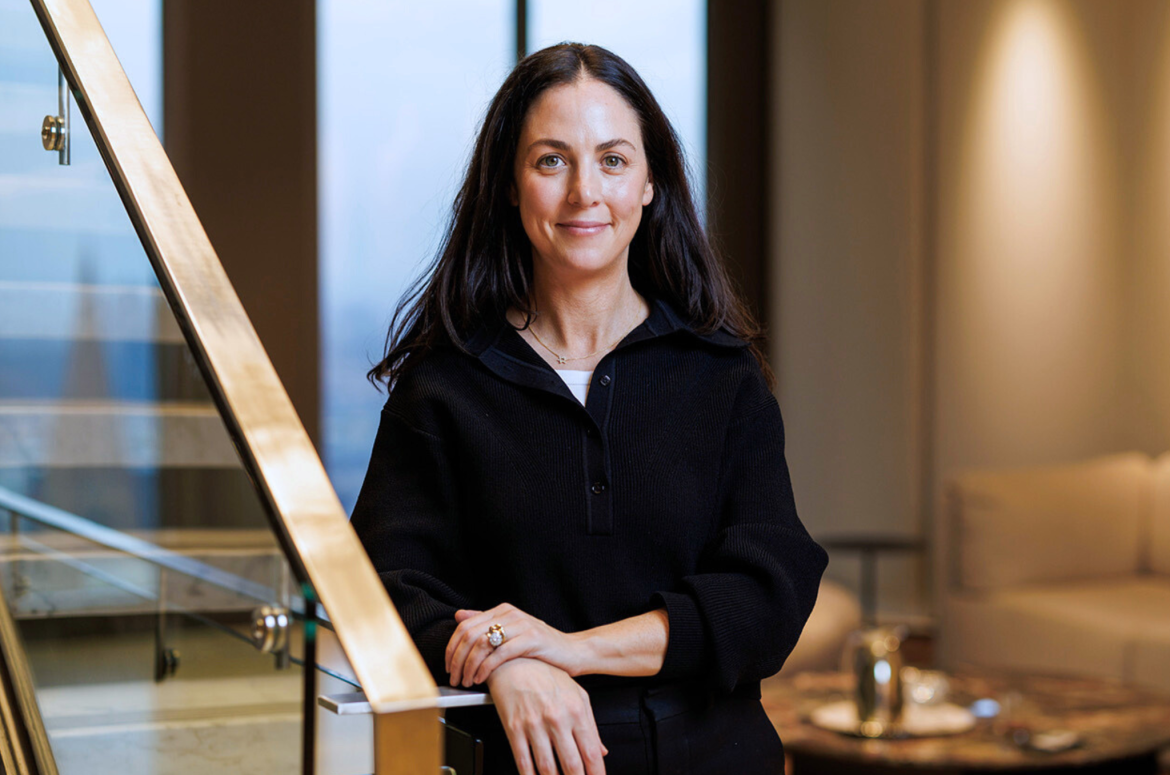
In this Q&A, partner Rebecca Zwier and senior associate Jessica Wills share their perspectives on the team's unique approach, the diversity of their work, and the rewarding experience of guiding clients through complex commercial matters. They also reflect on the challenges and rewards of balancing their professional commitments with personal responsibilities, underscoring the collaborative culture and client-centred ethos that define the Commercial team at ABL.
How would you each describe your practice in the Commercial team, and how has it evolved over time?
Rebecca: My practice at Arnold Bloch Leibler is broad, encompassing private mergers and acquisitions, joint ventures, fundraising, and general commercial work, primarily within the private sector. Although I've always worked across various types of transactions, what has remained constant is my enjoyment of working with clients to reach a commercial and legal solution that aligns with their goals. Unlike litigation, which can often seem adversarial, commercial law generally involves two parties who are actively looking to work together towards a common objective.
Jessica: Coming out of law school, I thought that all lawyers worked in litigation and had very little knowledge about what working in a transactional team might involve. Ultimately, I was drawn to commercial law for its breadth. My practice now includes advising not-for-profits, high-net-worth individuals, family groups, public companies, and private corporations, on a very diverse range of matters. Each client brings unique challenges and problems to solve, often requiring us to navigate complex commercial and legal issues irrespective of structure. This diversity makes my practice both interesting and rewarding.
Could you explain the different types of transactions or matters you handle for each type of client?
Rebecca: For publicly listed clients, we might handle capital raisings, such as rights issues, and assist with M&A activity involving disclosure, due diligence, and engagement with the ASX. Private clients often deal with less regulated transactions, such as shareholder agreements, bank borrowings, and private capital raisings. Although these transactions are similar to those of public clients, they require different legal structures and regulatory considerations.
Jessica: For high-net-worth individuals and family groups, we also manage acquisitions, sales, succession planning, and structuring. Often, these transactions involve not only the sale or acquisition of assets but also broader issues, such as succession planning and tax structuring. We often collaborate with our tax team and bring in other specialists as needed to ensure the structure aligns with our clients' personal, professional and philanthropic objectives.
You mentioned collaboration with other teams at the firm. Could you describe how this works in practice?
Jessica: Collaboration is essential. We are constantly working with other teams, and the commercial lawyer often coordinates these group efforts, ensuring clients have a seamless experience. Effective coordination is key, as clients expect their commercial lawyer to be their main point of contact.
Rebecca: We also collaborate with the Litigation team to help our clients negotiate settlements and avoid litigation whenever possible. This collaborative approach not only delivers comprehensive solutions but also strengthens our relationship with clients, who appreciate having a trusted advisor coordinating these complex transactions.
"This collaborative approach not only delivers comprehensive solutions but also strengthens our relationship with clients, who appreciate having a trusted advisor coordinating these complex transactions."
Succession planning is a significant part of the private client practice. Can you explain what this involves?
Jessica: Succession planning involves helping clients establish and implement a strategy to transfer their wealth and business interests across generations. This could include preparing wills, letters of wishes for non-estate assets, enduring powers of attorney and medical treatment decision making documents, and establishing other estate planning structures. Many of our clients use sophisticated structures, such as trusts or family companies, so we also work on succession planning for control of those entities. The goal is to give clients peace of mind by helping them plan for the future, protect their assets, and ensure a smooth transition for their successors.
Arnold Bloch Leibler operates from Australia, with offices in Melbourne and Sydney. Does that affect your ability to work on international transactions?
Rebecca: Our geographic focus does not limit us. Although we're based in Australia, we regularly work on cross-border matters. I've had the opportunity to assist Australian clients on transactions involving the US, Israel and Japan. This model allows us to select the best local counsel for our clients’ needs, wherever that may be, rather than being tied to a specific partner firm. Clients value having a trusted advisor by their side, even when working with local counsel overseas.
Can you share a notable transaction or outcome you're particularly proud of?
Jessica: One of the highlights of my career has been working with Global Citizen, the Australian arm of an international network of not-for-profit entities committed to ending global poverty. Our initial engagement involved governance and charity law advice, but it expanded into (amongst other things) litigation at the Administrative Appeals Tribunal (AAT) to secure a public benevolent institution status for the client. It was a long journey, but we achieved a fantastic result, allowing Global Citizen to continue its impactful work in Australia and transforming the regulatory approach to Public Benevolent Institutions in Australia.
Rebecca, could you tell us about your experience balancing a demanding legal career with family commitments?
Rebecca: After having my second child, I transitioned to a four-day work week, which helps me balance work and family life. The support from my team has been essential, allowing me to manage my workload efficiently. I also benefited greatly from the firm’s return-to-work coaching program, which provided invaluable advice on how to structure my work week and prioritise effectively. It's been an ongoing journey, but with a supportive team and clear structure, I've been able to fulfil both my professional and personal commitments.
Explore our Commercial expertise or learn more about legal careers at Arnold Bloch Leibler.
Quick fire questions
What’s the most rewarding part of being a commercial lawyer?
Jessica: Using my skills and legal experience to assist for-purpose entities to maximise their impact.
Rebecca: Solving complex problems creatively.
What’s your proudest achievement or outcome for a client?
Jessica: Our successful AAT outcome for Global Citizen.
Rebecca: Managing a successful balance between my career and family life.
What advice would you give to your younger self?
Rebecca: Practising law is much better than studying it.
Jessica: Lean into the fear - embrace the fact that practicing law is filled with challenges and unknowns, and trust in your and your team’s abilities to problem solve.