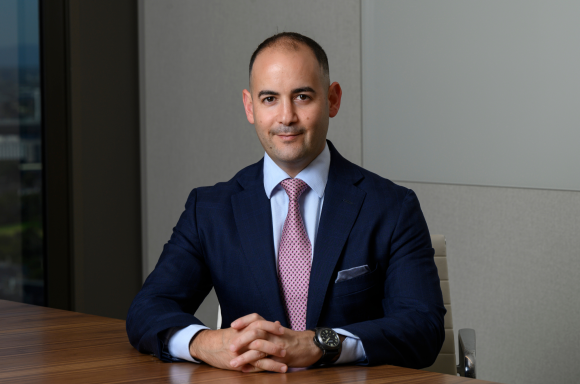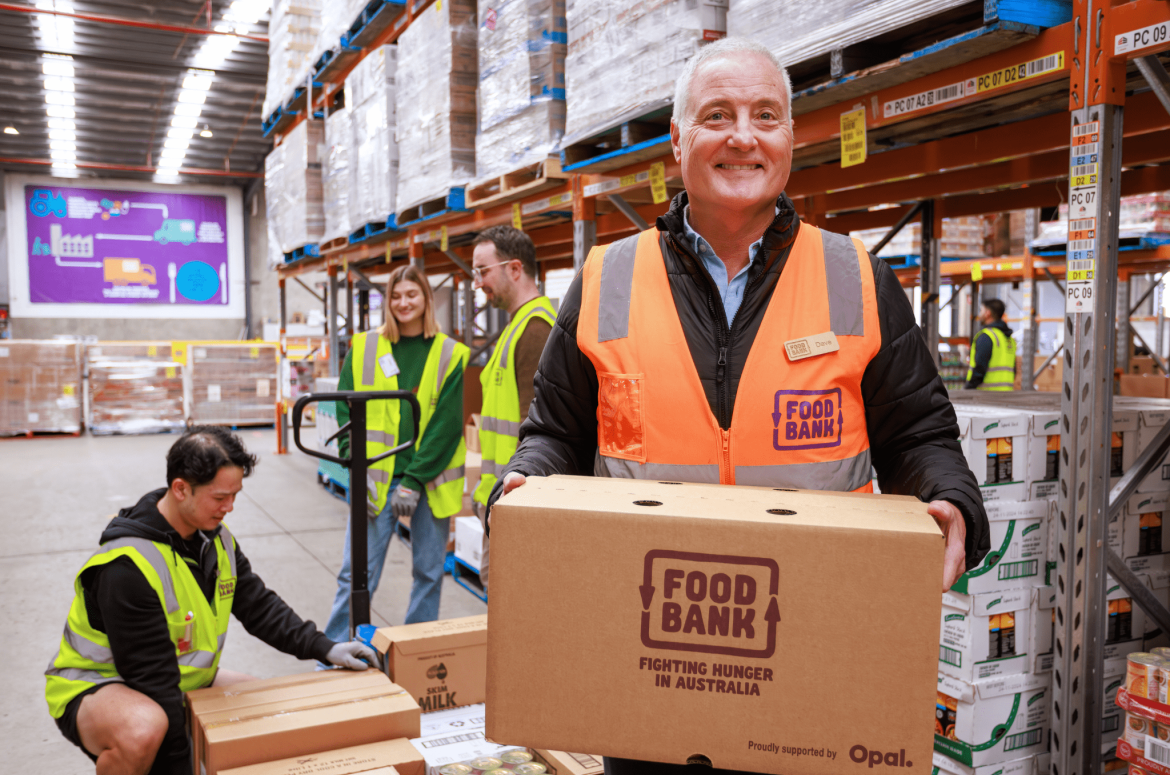
In this edition of ABL’s Client Spotlight series, we spoke to David McNamara, CEO of pro bono client Foodbank Victoria, the oldest and largest food relief organisation in the state.
Foodbank is driven by the belief that no one should go without access to good food. Operating nationwide, Foodbank acts as the crucial link between the food and grocery industry and frontline charities, rescuing surplus food and groceries that would otherwise go to waste and redirecting them to Australians in need. Each year, Foodbank sources and distributes the equivalent of tens of millions of meals. Their work not only addresses immediate hunger but also plays a critical role in tackling Australia's significant food waste problem.
It is a tough time in Victoria at the moment, with many families struggling to pay basic household bills. The School Breakfast Program run by Foodbank ensures that tens of thousands of children in Victoria do not start their day hungry. How would you describe the impact of the program?
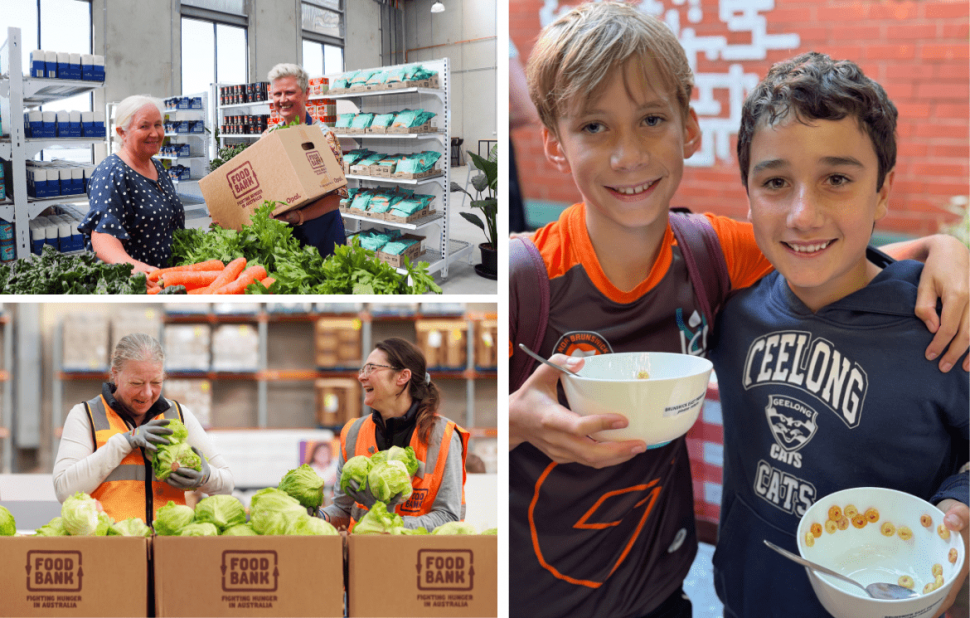
The School Breakfast Clubs Program runs across 1,300 schools and campuses in Victoria. We are now seeing better attendance rates, with more kids turning up to school because they know they can get a meal there. Feedback from teachers, parents, and the Department of Education indicates that the social connectedness of the school community is improving from kids having breakfast with peers they might not normally engage with. Older kids are taking on leadership roles in the Breakfast Program, actively supporting their community and there’s the significant educational benefit, where kids are more productive after having a nutritious breakfast.
Foodbank recently expanded its reach with the establishment of two new regional centres in Ballarat and Morwell – two strong regional communities also heavily affected by a history of bushfires and drought. Could you tell us about the strategic rationale behind these new hubs, any major challenges encountered, and how ABL’s pro bono assistance contributed to their establishment?
The reason the two regions were chosen was because they have the highest levels of food insecurity in Victoria. Drought and other major natural disasters, and housing availability and affordability issues have been a major factor in those communities.
We felt the best way of achieving food relief was to create a community-focused, secular approach where, in addition to our traditional services, we could work directly with the community by providing food literacy training, community meals, and a self-choice supermarket.
We introduced employment training, where anyone interested in working in the food sector could find work through the practical application of volunteering or skills-based roles.
ABL’s work has been amazing. We received funding and were in the early stages of finding land just before COVID hit. With supply chain issues and inflated construction costs creating challenges, ABL assisted us in contract negotiations, changing suppliers, and working with government. Having ABL as a partner provided us with the knowledge, expertise, skills, and the organisational engine to bring the centres to life.
Foodbank Victoria has recently been awarded the Global Impact Award at the 2025 Qlik Global Transformation Awards, which recognise the use of data in driving better decision making and addressing challenges. As the first Australian organisation to achieve this honour, what does this award mean to Foodbank?
One thing we’ve always been passionate about, apart from the important work we’re doing, is allowing data to influence and inform our decision-making. Data allows us to make sure food gets to the right people at the right time and it’s also incredibly powerful in terms of advocacy to government. We’re able to share real time stories and break down each state by local government area in terms of know how much food is going to each food insecure person.
What advice would you give to other not-for-profit organisations looking to enhance their operational efficiency through technology?
It’s critical, especially if you want to be relevant to your community. The key to every decision has to be data-driven. Anecdotal stories are wonderful, but the story needs to be grounded in fact, not just emotion. If you’re a charity partner dealing with corporate partners and government, it really is about data-informed decision-making.
"ABL would be one of the most consistent and cherished partners we have. The passion that ABL brings to our work helps cement the belief that the community is behind us."
Beyond the specific projects we've discussed, have there been other areas where ABL's guidance and support have proven particularly impactful or valuable for Foodbank?
Whether it’s been in relation to the new building we’re constructing in Altona, or the relocation of some of the team to the CBD, or general contract reviews, ABL has been amazing for us. I’ve been at Foodbank for 18 years, and ABL would be one of the most consistent and cherished partners we have. The passion that ABL brings to our work helps cement the belief that the community is behind us.
How can individuals, businesses, and the broader community best support Foodbank's ongoing mission to alleviate food insecurity in Victoria?
There are lots of ways! Volunteering is one, and there are great team-building opportunities that come from volunteering. Funding is also crucial. When I started, around 98% of the food was donated. Now it’s around 62%. So, purchasing food is critical and when we do purchase, we need to make sure we reflect the Victorian community and its cultural diversity. Just $1 donated is enough to source and distribute two meals to one person.